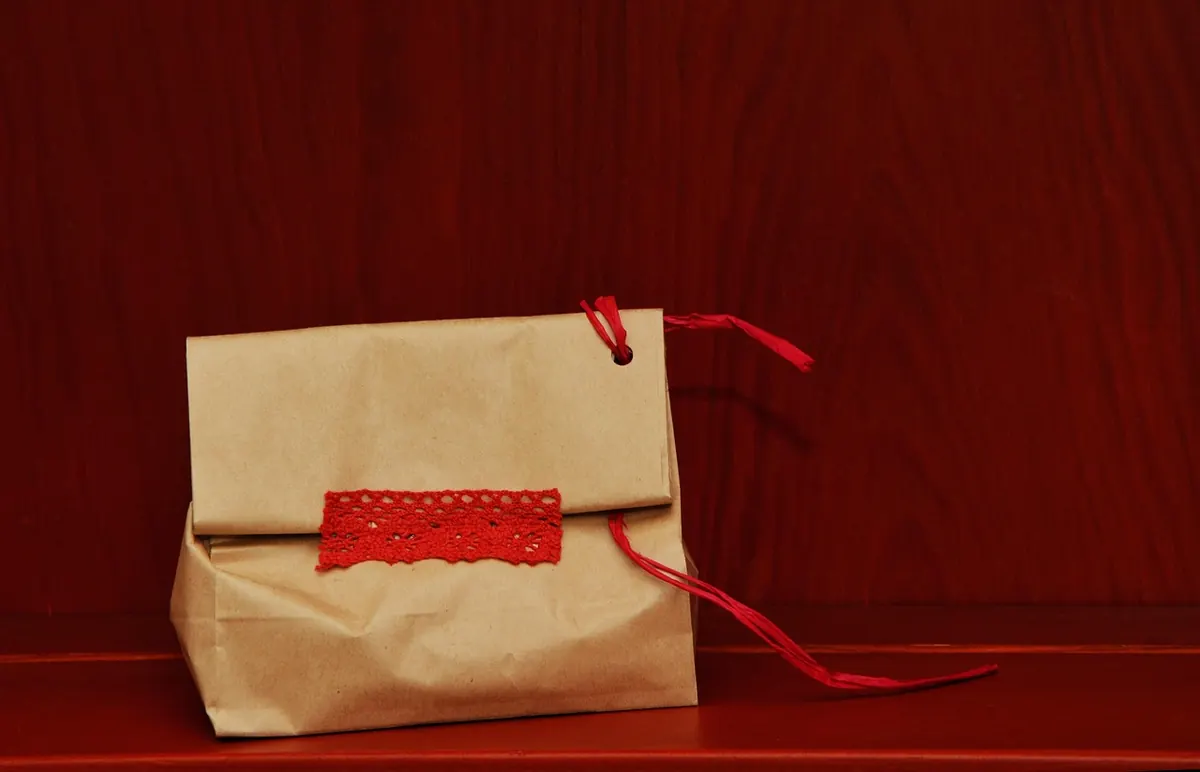
Packing for a weekend away is mostly clothes and a toothbrush. Packing for a journalling weekend is a series of small, surprisingly difficult decisions: which notebook, how many pens, and whether you really need three ink bottles for two nights. Everything feels essential when the bag is open at your feet and the train leaves in forty minutes. Most of it is not. What follows is how to choose, plus a one-page checklist you can copy out, print, or tuck into the back cover of the journal you end up taking.
A weekend holds perhaps four to six writing sessions: a page or two in the morning, a few notes over coffee, an unhurried spread in the evening. That is twenty to thirty pages, not three hundred. You do not need the thick journal you save for the good ideas.
Take two notebooks at most. One main journal, A5 being the sensible middle size, and one small companion — A6 or a pocket notebook — for lists, sketches, opening times, names of places you want to look up when you get home, and anything you would rather not commit to the good paper. If you are walking, or writing on your knee rather than at a table, choose a softcover for the main journal. If you are staying somewhere with a desk and a decent lamp, a hardback is a pleasure.
Does it lie flat? A notebook that fights you every time you open it will stay shut all weekend. And would you mind if it came home a little scuffed? A travel journal with a bumped corner is a record of the trip. A pristine one is a source of low-level worry.
The two-pen rule is the simplest thing you can do for yourself. Bring the pen you love writing with, and a second one that works when the first one does not: a different nib, a different ink colour, or simply a reliable fineliner that has never once let you down. If your main pen is a fountain pen, pack a spare cartridge or a filled converter rather than a bottle, and carry it nib-up in a case. Nothing ruins a notebook faster than a loose pen rolling around a bag.
Pressure changes in a cabin can push ink out of a nib. Keep a fountain pen either well filled or completely empty, and put it inside a sealed bag with your toiletries. Pencils and fineliners have no opinion about altitude, which is a good argument for taking at least one of each. Check your airline's current cabin baggage rules before you fly, particularly if you plan to take scissors or a craft knife.
For two or three days, small sample vials of five to ten millilitres are more than enough. Seal each one in a zip bag, stand them upright in a rigid tin, and wrap the tin in a cloth or an old sock. If you are refilling from a bottle at home, do it before you leave and give the pen a wipe.
Do not decant ink into unlabelled containers. Label anything you carry with the maker and the colour, partly so you can buy it again and partly so you do not confuse a black ink with a waterproof one by mistake. If you are travelling with cabin baggage only, remember that liquid rules apply to ink as they do to shampoo: small containers inside one clear bag. Anything larger belongs in the hold, or better still, at home.
Flat things are free. Washi tape is the obvious example: instead of five rolls, wrap a few strips around an old plastic card or a lollipop stick. You get the patterns you want, you can see what you have at a glance, and nothing tangles. Do the same with ribbon or a length of twine.
For stickers, take one sheet or a small pouch of cut-outs rather than the whole book. Then leave room for what the trip hands you: a train ticket, a leaflet, a postcard, the paper band from a pastry. A clear plastic pocket, or a small envelope taped inside the back cover, keeps that sort of thing from creasing before you get a chance to stick it down.
The rule is straightforward: if it has one rare use, it stays home. This short list covers almost everything a journalling weekend actually asks for.
Copy this out by hand, or print it and fold it into the back of your main journal. Tick as you go, and add anything you personally reach for that is not listed here.
Lay everything on the floor the night before you leave. You will spot the duplicates and the things you only packed because they were nearby. Fill your pens, check your cartridges, and put the checklist in the bag rather than on the hall table.
Then take one comfort item and nothing more: a particular blend of tea, a favourite bookmark, a small tin of paper clips in a colour you like. A packing list is there to stop you carrying the whole desk. The pleasure of a journalling weekend is the space you leave for the trip itself.
Photo: congerdesign / Pixabay

Grain direction decides whether paper folds cleanly or cracks, tears straight or ragged, and whether a bound book...
Hardcover and softcover journals compared on construction, durability, portability and writing comfort, with...
A practical five-step method for building consistent ink swatch cards that record true colour, drying time, water...

A journal for paper, ink, and craft.
