
The clocks go back, the light turns the colour of weak tea, and the kitchen table starts to look like the best seat in the house. Autumn is generous to anyone who keeps a notebook. There is simply more to notice: the smell of wet leaves, the first morning a scarf is actually necessary, the way the garden gives up in stages rather than all at once.
What follows is twelve prompts, split into three sittings, plus a few layout ideas to make those pages feel like the season they came from. Nothing here needs special equipment. A pen that behaves and a notebook you like the weight of will do.
January journalling tends to be about plans. Autumn journalling tends to be about attention. The entries come out more sensory, more observational, far less bothered about targets. That shift is worth leaning into rather than correcting.
The conditions shape the writing, too. Once the lamps are on by half past four, most of us write in warmer and dimmer light, and handwriting tends to slow and widen. That is no bad thing. Slower writing usually means more considered sentences — or, when you are tired, a short entry that actually gets finished.
It is also the season to change your materials. Cream or ivory paper flatters brown, ochre and deep red inks better than a bright white page does. A soft pencil is ideal for notes made outdoors, when your hands are cold and precision is not the point.
Start outside. Ten minutes in the air will give you more raw material than an hour spent thinking about what to write.
These work best after the washing-up, with a lamp on and a mug within reach. Keep them short. Autumn is not the season for heroic writing sessions.
These four prompts suit the darker evenings, when the curtains are shut and the house is warm. They also make pleasant reading in a year or two, which is not true of every entry you will write.
Rule a 3cm margin down the outer edge of each spread. Use it for dates, weather symbols, tiny leaf sketches, a running tally of frosts, or the names of birds you heard. A margin turns a block of text into something that looks tended, and it leaves room for notes added later.
Pick one accent — oxblood, mustard, moss — and use it for headings and nothing else. Add a strip of washi tape along the inner edge of the page if you want the spread to feel bound rather than blank. Two colours look deliberate; six look like a stationery drawer emptied at speed.
Left page: observations, lists, things found. Right page: one longer paragraph about the week. This split suits autumn particularly well, because the season gives you plenty of small detail and a quieter undertow that is easier to write about on a clean page.
Three short sittings a week will carry you from September to the solstice far more reliably than one ambitious Sunday session. Keep the notebook, a pen, a pencil and a glue stick in one basket by the chair you actually sit in. If a week passes with nothing written, start on today's date and leave the gap alone; backfilling is the quickest way to turn a pleasure into homework.
One page a week is a whole season by the time the frost arrives.
Finally, a sensible note. Journalling is good company, but it is not a substitute for proper help. If the shorter days leave you persistently flat, anxious or unable to sleep, speak to your GP rather than trying to write your way out of it alone.
Photo: Goumbik / Pixabay

A practical, printable checklist for a journalling weekend away, covering notebooks, pens, ink, washi tape and the...

Grain direction decides whether paper folds cleanly or cracks, tears straight or ragged, and whether a bound book...
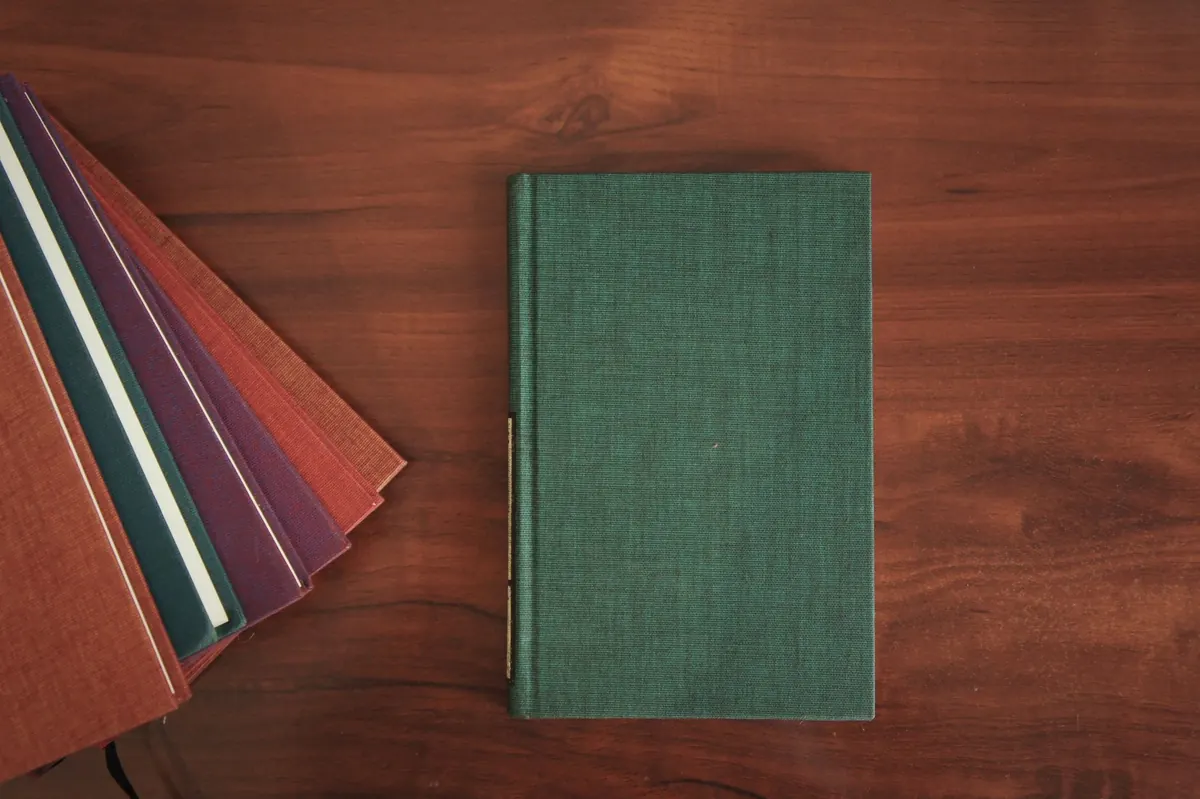
Hardcover and softcover journals compared on construction, durability, portability and writing comfort, with...

A journal for paper, ink, and craft.
